Emser Tile
The Advantages and Disadvantages of Natural Stone Flooring
Emser Tile
Stone flooring has been an architectural mainstay for centuries, evoking a sense of history and timeless beauty in homes and establishments. The myriad of stone types, from the elegant swirls of marble to the rustic allure of sandstone, ensures a diverse palette for homeowners. But as with all materials, stone flooring presents both advantages and challenges.
The durability of stone is perhaps its most celebrated trait. Its hard surface resists the usual wear and tear, scratches, and dents that other flooring types might fall prey to. With proper care, stone floors can outlive several generations, becoming a design element and a legacy. The natural patterns inherent to stone ensure that each floor is unique, offering homeowners a one-of-a-kind design statement.
Variety of Natural Stone

The Tile Shop
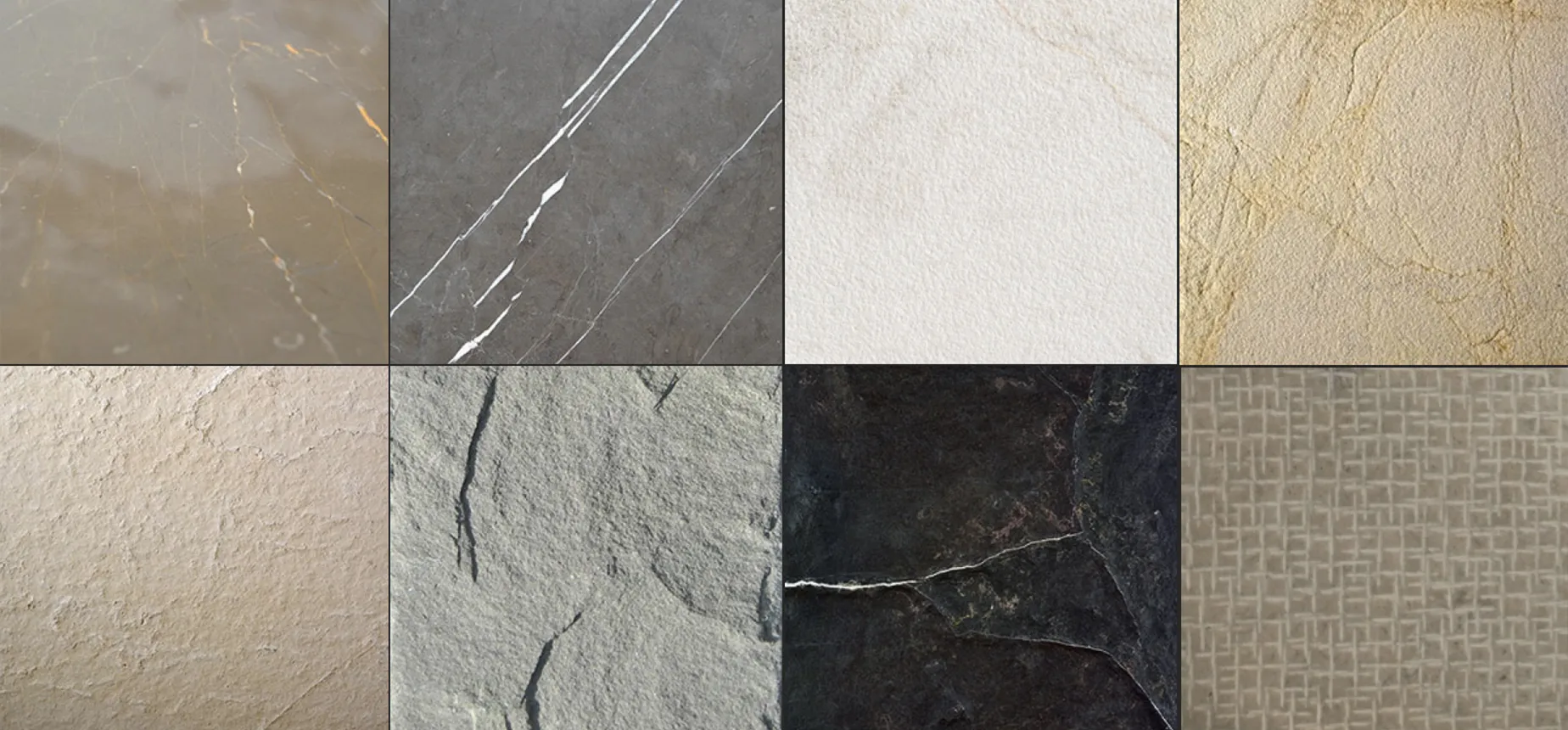
Natural stone's charm lies in its inherent uniqueness. Each stone type offers a different palette and pattern, providing many aesthetic choices. Here are the most popular types of natural stone used as a floor material.
Granite

Artistic Tile
Granite, renowned for its exceptional durability and wide range of colors, is a prominent choice in flooring materials. As a natural stone, granite possesses inherent qualities that make it resistant to heat, scratches, and stains, ensuring its longevity even in high-traffic areas. One of its most captivating attributes lies in its individuality, with each slab boasting distinct patterns and veining. This uniqueness allows granite to seamlessly adapt to various design styles, whether the classic elegance of a traditional setting or the contemporary allure of a modern space. Its resilience and aesthetic versatility cement granite as a top-notch option for those seeking both enduring quality and aesthetic appeal in their flooring choices.
Marble

Bedrosians Tile & Stone
Marble is a natural stone flooring material cherished for its timeless elegance and luxurious appearance. With its signature veining and intricate patterns, it exudes opulence and sophistication. Marble is beautiful and durable, lasting for generations with proper maintenance. Its natural cooling properties make it comfortable in warmer climates, and its versatile color palette complements a wide range of interior design styles. However, it can be susceptible to staining and may require periodic sealing. Despite these considerations, marble remains a highly sought-after choice for those seeking to elevate their living spaces with enduring beauty.
Quartzite

North American Stone and Tile
Quartzite flooring is a premium choice known for its exceptional durability and striking aesthetics. This natural stone is formed from sandstone under high heat and pressure, producing a dense and hard material well-suited for flooring applications. Quartzite's standout features are its wear and tear resistance, making it highly resilient in high-traffic areas. It is resistant to scratches, stains, and heat, maintaining its beauty and integrity even in demanding environments. Quartzite's appearance is captivating, often showcasing a mix of colors and veining that varies from slab to slab. This natural stone can mimic the look of marble or other exotic stones, making it a versatile choice for various design styles, from traditional to contemporary.
Soapstone

Genrose Stone + Tile
Soapstone is not commonly used for flooring in the same way as materials like marble, granite, or even travertine. While soapstone is a natural stone known for its durability and unique aesthetic qualities, it tends to be more commonly employed for countertops, sinks, and fireplace surrounds rather than flooring. That said, some homeowners who prefer soapstone's unique appearance and tactile qualities may use it in specific areas, such as bathrooms, or as an accent in certain rooms. However, when considering soapstone for flooring, it's essential to know its specific characteristics and maintenance requirements to ensure it meets your expectations and needs.
Slate

Bedrosians Tile & Stone
Slate flooring is popular for its rustic beauty and robust characteristics. This natural stone is formed from shale and clay, and it offers a unique and earthy aesthetic that is particularly well-suited for certain design styles. One of the defining features of slate is its natural cleft surface, which gives it a textured, rugged appearance. This texture adds visual interest and provides slip resistance, making slate flooring a practical option for wet or high-traffic areas.
Slate is highly durable and resistant to stains and scratches, making it suitable for indoor and outdoor applications. It's favored for its ability to withstand moisture and temperature variations, making it an excellent choice for bathrooms, kitchens, and outdoor patio spaces.
Limestone

Bedrosians Tile & Stone
Limestone flooring is a timeless and versatile choice known for its natural beauty and durability. This sedimentary rock, formed from accumulated marine fossils and sediments over time, offers a unique blend of aesthetics and practicality. One of the key attractions of limestone is its elegant appearance. It typically features soft, neutral colors, including beige, gray, and cream shades, which give any space a warm and inviting ambiance. Limestone's subtle and organic patterning adds a touch of sophistication, making it suitable for a wide range of interior design styles. Its durability, natural cooling properties, and neutral color palette contribute to its popularity, while proper maintenance ensures its long-lasting beauty and performance in a wide range of settings.
Travertine

Bedrosians Tile & Stone
Travertine flooring is popular for its natural beauty, timeless appeal, and unique characteristics. This sedimentary rock, often formed in underground rivers and springs, has been a favored building material for centuries, and it continues to be a sought-after flooring option today. One of the defining features of travertine is its distinctive appearance. It typically boasts warm and earthy tones, including beige, ivory, and brown shades, with subtle variations in color and veining. These variations add depth and character to each tile, giving travertine floors a rustic and elegant charm.
Travertine is a durable and long-lasting material, making it suitable for high-traffic areas in both residential and commercial settings. Its natural cooling properties make it comfortable underfoot, providing a cool and refreshing surface, especially in warmer climates.
Advantages of Natural Stone Flooring

The Tile Shop
Beyond its longevity, the aesthetic appeal of stone flooring is undeniable. This material effortlessly elevates interiors. Its adaptability to various interior styles, from modern minimalist homes to more traditional settings, makes it versatile. Additionally, the perceived opulence associated with stone can significantly boost a property's resale value.
Functionally, stone flooring is a blessing in hotter climates. Its natural tendency to remain cool provides an ambient temperature regulation, offering a respite from external heat. Maintenance, depending on the stone type, can also be straightforward. Some variants, like granite, require little more than regular sweeping and the occasional mop.
Drawbacks of Natural Stone Flooring

Nielsen Bros Flooring
Certain challenges temper the allure of stone flooring. Cost is a prominent consideration. Procuring natural stone, combined with the specialized expertise required for installation, can be more expensive than synthetic or other natural alternatives. While the coolness of stone is advantageous in warm weather, it can be a drawback in colder climates, rendering the floor chilly underfoot. Its inherent hardness, although excellent for durability, might not be the most comfortable for prolonged standing or walking. Households with young children or elderly members should also consider the potential risk of injury from falls on such an unforgiving surface.
Different stone types bring their own sets of considerations. Granite, for example, is exceptionally durable and resistant to stains, making it ideal for high-traffic areas. With its undeniable luxury, marble requires a more careful touch to prevent scratches. Limestone and sandstone, both porous, might necessitate regular sealing to ward off potential staining. Therefore, the choice of stone should be influenced by its intended use, location, and the maintenance willingness of the homeowner.
Natural Stone Slabs vs. Tiles

Stone Trash
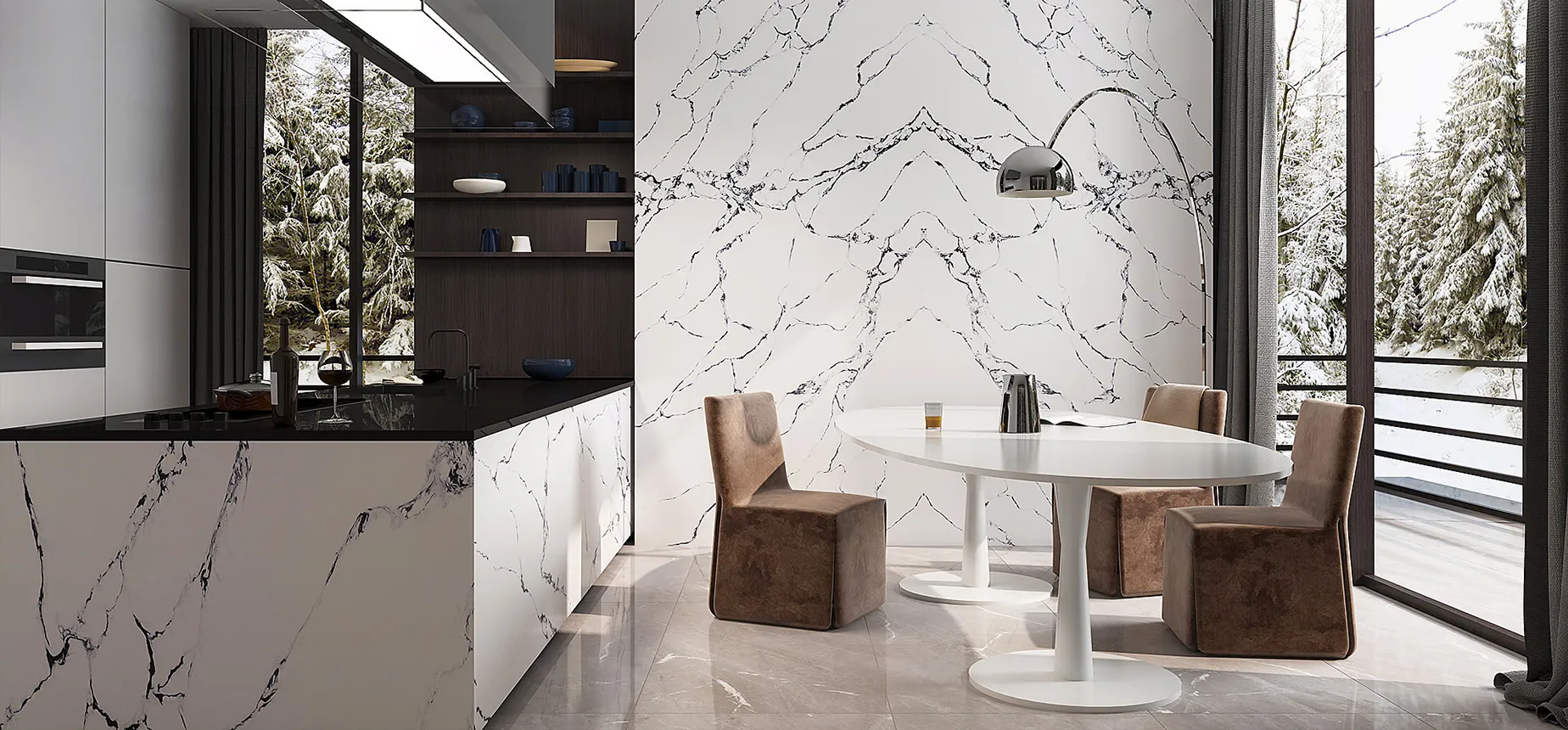
Available in its grand slab form and intricately sized tiles, it imparts an unmatched natural elegance to architectural spaces. The decision to use a full slab versus tiles hinges primarily on design aspirations and budget. While slabs offer a sweeping, unbroken canvas, emphasizing the stone's inherent beauty, tiles allow for creative patterns and designs, affording a versatility that can cater to a wide range of aesthetic preferences.
Stone flooring offers a harmonious blend of natural beauty and resilience. However, a thoughtful approach is essential, balancing its aesthetic and functional advantages against its challenges. For those who appreciate its natural elegance and are prepared for its care, stone flooring can be a long-lasting and beautiful addition to any home.
Keep reading
More on Stone