Bruce Hardwood Floors
Advantages and Disadvantages of Engineered Stone Flooring
Bruce Hardwood Floors
Engineered stone flooring, often known by specific brand names, is a composite material that combines elements such as rock particles, glass, quartz, and porcelain with binding resins. A key benefit of engineered stone flooring is its cost-effectiveness, as it eliminates the need to extract entire slabs from natural stone blocks, thus making it more affordable.
The makeup of engineered stone generally comprises around 93 percent quartz and 7 percent bonding resins. Quartz, a common component in various stones like granite, is a major ingredient in engineered stone. Due to its high quartz content, the terms "quartz" and "engineered stone" are frequently used interchangeably in the flooring industry.
Variety of Engineered Stone

Bruce Hardwood Floors
Engineered stone flooring is valued for its versatility and affordability, making it a popular choice for various home and commercial flooring projects. There are several types of engineered stone flooring available, each with unique qualities:
Ultra Compact

Cosentino
Ultra Compact engineered stone flooring stands out for its remarkable durability and resilience to various environmental factors. These floors are designed to withstand heat, scratches, and UV light exposure, making them an excellent choice for indoor and outdoor settings. Their resistance to these elements ensures that the flooring retains its appearance over time, even under challenging conditions.
A key feature of Ultra Compact engineered stone is its aesthetic versatility. It offers a wide range of finishes and colors, allowing it to mimic the look of natural stone or offer unique, bespoke designs. This versatility makes it suitable for various design preferences, from classic to contemporary styles. Homeowners and designers can choose from a spectrum of patterns and hues to match their specific décor needs.
Solid Surface

List Vanities
Solid Surface-engineered stone flooring is a versatile and practical option made from acrylic, polyester, or both. This composition results in a non-porous and seamless surface, which stands out for its hygienic qualities and ease of maintenance. The non-porous nature means it's resistant to stains, mildew, and bacteria, making it a suitable choice for areas where cleanliness is a priority, such as kitchens and bathrooms.
One of the most appealing aspects of Solid Surface flooring is its high level of customizability. It can be crafted to imitate the appearance of various natural materials like stone, wood, or concrete. This flexibility allows for a wide range of design options, enabling homeowners and designers to achieve the desired look, whether it’s the elegance of natural stone, the warmth of wood, or the industrial feel of concrete.
Quartz

Classic Quartz Stone
Quartz-engineered stone flooring is a highly popular choice, offering both aesthetic appeal and practical benefits. This type of flooring is made by combining crushed quartz, one of the hardest minerals on earth, with a resin binder. This composition results in a highly durable and resilient surface. A significant advantage of quartz flooring is its non-porous nature. This characteristic makes it resistant to staining and inhibits the growth of bacteria and mold. It is particularly beneficial in kitchens and bathrooms where hygiene is a top priority. The non-porous quality also means that quartz flooring requires less maintenance than natural stone floors, which often need sealing.
It is available in an extensive array of colors and patterns, allowing it to suit various interior styles. Additionally, quartz flooring can be crafted to mimic the appearance of other stones like marble or granite, providing the luxurious look of these materials but with greater durability and without the need for intensive care.
Terrazzo

Alpha Tile & Stone
Terrazzo flooring, a traditional material, has experienced a resurgence in popularity, especially in contemporary interior design. This engineered stone flooring is celebrated for its exceptional durability and distinctive aesthetic. Terrazzo embeds small marble, quartz, granite, or glass pieces in a cementitious or epoxy matrix. After curing, the surface is ground and polished to reveal the beauty of the aggregate.
One of the key features of terrazzo is its incredible versatility in terms of design. It can be customized with a wide variety of colors and types of aggregate, allowing for a range of patterns and styles. This customization potential means that each terrazzo floor can be unique, offering the ability to create a specific look tailored to the desired aesthetic of a space.
The resulting speckled appearance of terrazzo is not only visually striking but also practical. It can hide wear and tear, making it a great choice for high-traffic areas. Terrazzo is also known for its longevity; when properly installed and maintained, it can last for decades, making it a cost-effective choice over its lifespan.
The Advantages of Engineered Stone Flooring

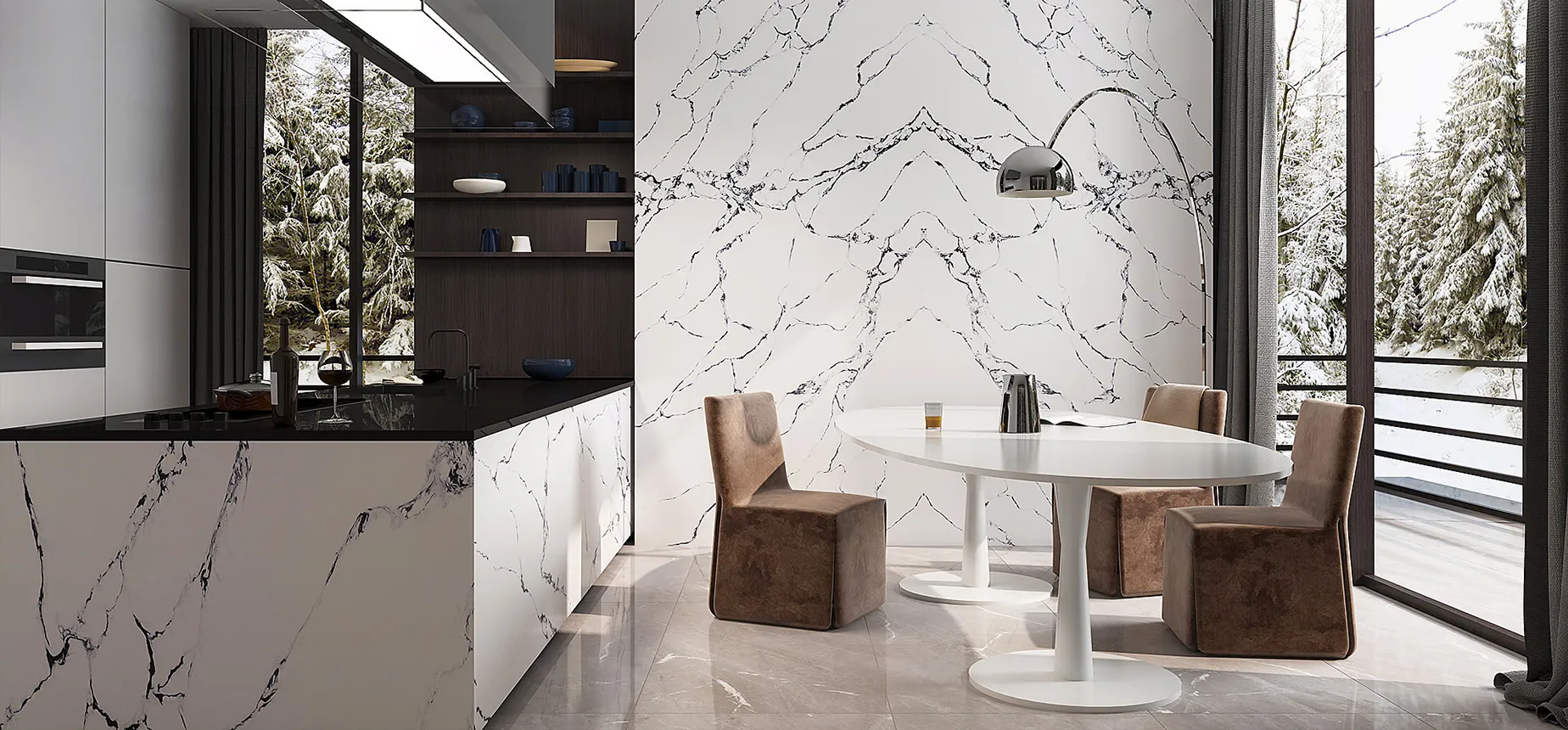
UltraCeramic
Engineered stone flooring stands out for its blend of durability and aesthetic versatility. This type of flooring is known for its robustness, resisting scratches, stains, and wear that can affect other flooring types. Engineered stone provides a hard, stable surface that can easily handle high-traffic areas, maintaining its appearance over time.
From a design perspective, engineered stone flooring offers a wealth of choices. It can mimic various natural stone types and is available in various colors and patterns, allowing homeowners to select a style that complements their interior design, from sleek and modern to classic and elegant. Additionally, engineered stone flooring contributes to a quieter environment by dampening sounds, which benefits multi-story homes or buildings.
The Drawbacks of Engineered Stone Flooring

Floor Coverings International
However, engineered stone flooring has its limitations. While durable, it can be unforgiving underfoot, which might be a consideration in homes with young children or elderly residents. The hardness of the material can also make standing for extended periods less comfortable.
Engineered stone is generally resistant to staining and moisture, but some types may require specific cleaning products to maintain their appearance. Additionally, engineered stone flooring can be challenging to repair if damaged.
Each type of engineered stone has its specific properties. Some are extremely durable and ideal for areas with heavy foot traffic, while others offer more aesthetic appeal but may not be as hard-wearing.
Environmental Considerations

Stone World
Engineered stone flooring, a natural and synthetic materials blend, has raised environmental considerations in its production. The industry increasingly focuses on adopting more sustainable practices to address these concerns. This shift involves using recycled materials in manufacturing, reducing reliance on virgin resources, and lowering the environmental footprint by repurposing waste materials.
Additionally, efforts are being made to minimize waste during production. This includes optimizing manufacturing processes to reduce offcuts and incorporating efficient technologies that lessen energy consumption and emissions. Such initiatives contribute to a more environmentally responsible production cycle.
For environmentally conscious homeowners, choosing engineered stone flooring that adheres to eco-friendly practices is important. This involves looking for products that use a significant proportion of recycled materials produced by companies committed to sustainable manufacturing processes. By opting for such flooring options, homeowners can contribute to environmental conservation while still enjoying engineered stone's aesthetic and practical benefits. The industry's move towards sustainability makes it possible to balance ecological considerations with the desire for durable, stylish flooring.
Cost Considerations

UltraCeramic
The engineered stone flooring costs vary based on the type, quality, and brand. While it can be more affordable than natural stone, high-end options can be a significant investment. The installation process for engineered stone flooring is critical and usually requires professional expertise, adding to the overall cost.
Engineered stone flooring offers homeowners a practical, stylish, and long-lasting option. It combines the beauty of stone with modern engineering, making it suitable for various interior styles. As with any flooring choice, it's important to consider both the advantages and potential drawbacks to ensure it meets the specific needs and lifestyle of the space.
Keep reading
More on Stone