Travertine Interior Walls: Costs, Pros, and Drawbacks
Tino Stone
Travertine, a sedimentary rock derived from limestone, has a rich history in architecture, tracing back to its formation in minerals and hot springs. This material is not just limited to flooring; it’s also a stunning choice for wall cladding. Its use in historic buildings, like the Roman Colosseum, highlights its timeless beauty and durability, making it an appealing choice for modern residential renovations.
Travertine’s Diverse Appearance
Tino Stone
Colors
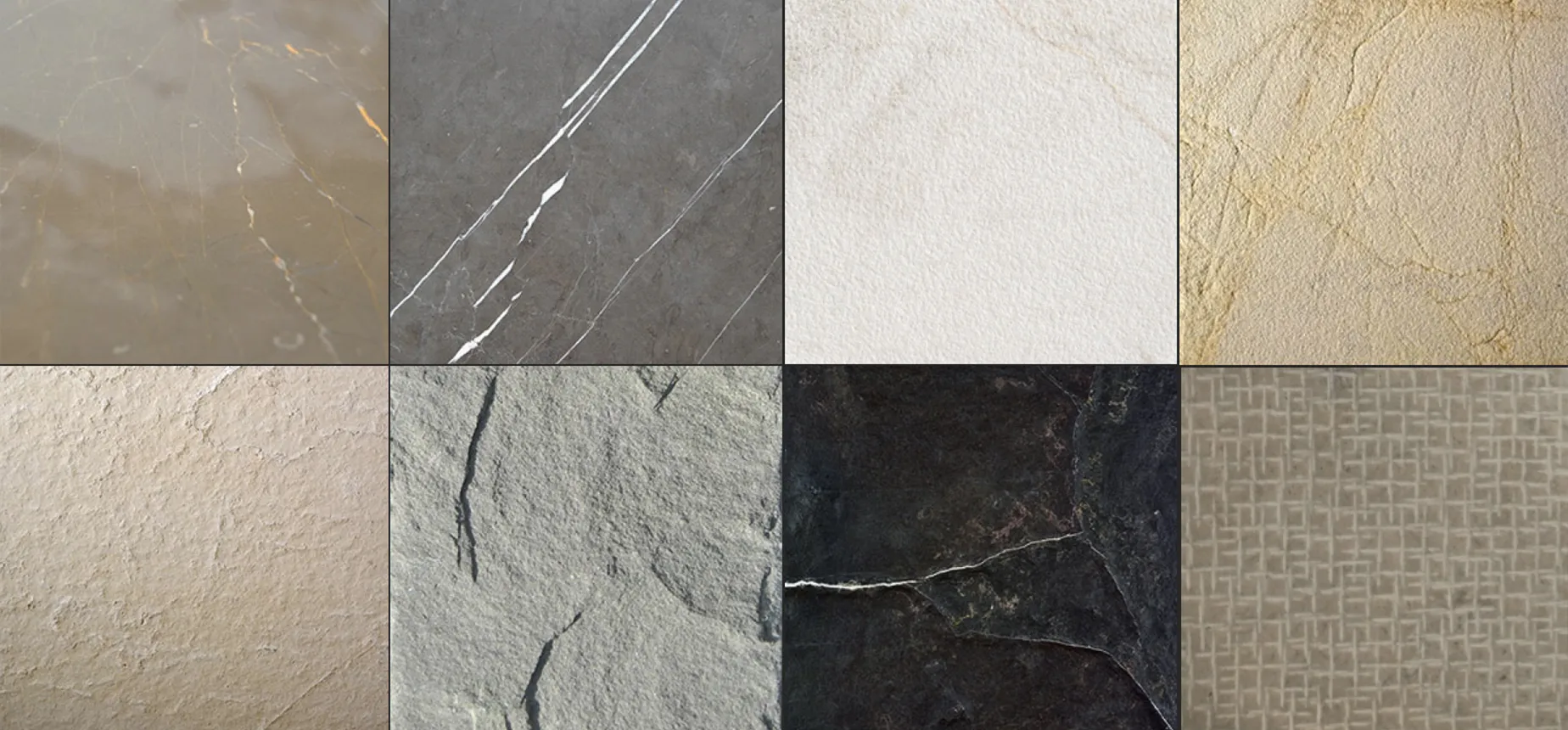
Travertine displays a rich array of colors and textures, each adding a distinct touch to design spaces. The color palette includes a variety of shades, ranging from elegant, light ivories, pinks, and creams to warm beiges, rich golds, and even deep reddish-browns. These colors often feature unique patterns and natural striations, characteristic of travertine's formation process, lending an organic and sophisticated feel to any design.
Shapes and Sizes
Travertine is available in many sizes and shapes, enhancing its versatility for different applications. It can be found in large slabs, which are excellent for creating expansive, seamless surfaces in areas like walls or open floor plans. This can give spaces a more continuous and spacious appearance. Conversely, smaller tiles or modular shapes are perfect for intricate designs or detailed patterns, adding character and visual interest to smaller areas or specific design features.
Textures and Finishes
The textures of travertine vary widely. Smooth, honed finishes offer a sleek, refined look and are easier to maintain, fitting well in modern or minimalist designs. Textured finishes, such as tumbled or brushed travertine, are more rustic and natural, ideal for traditional or Mediterranean-style settings. These textures affect the visual appeal but also the ambiance and tactile experience of the space.
Beyond its natural state, travertine can be treated with various finishes to modify its appearance and feel. Polished travertine has a glossy, sophisticated finish that accentuates the stone’s natural colors and patterns, while honed travertine has a matte surface for a subtler, contemporary look. Tumbled or brushed finishes impart an aged or weathered look to the travertine, adding depth and a sense of historical charm.
Edge Treatments
The edges of travertine tiles or slabs can also be finished in different ways to complement the overall design style. Straight, clean-cut edges offer a modern, precise look, while beveled or rounded edges can create a softer, more classical appearance, adding to the design's aesthetic appeal.
Advantages of Travertine as an Interior Wall Material
The Tile Shop
Travertine walls provide a unique aesthetic due to the material's natural patterns, ensuring each piece is distinct. This uniqueness adds an exclusive touch to any space. Besides its visual appeal, travertine is suitable for indoor and outdoor wall applications, allowing for design continuity across different spaces. It also offers thermal benefits, staying cool in warmer climates and retaining warmth in cooler conditions, making it practical for various environments.
When sealed correctly, travertine can withstand significant wear and tear, making it ideal for high-traffic areas. Its ability to age gracefully, gaining a patina over time, adds to its charm, providing spaces with an ever-evolving aesthetic of elegance.
Drawbacks of Travertine as an Interior Wall Material
The Tile Shop
Travertine does have some considerations to bear in mind. Its porosity means it can be prone to staining if not sealed properly. It’s also softer than some other stones, making it more susceptible to chipping or scratching. Regular maintenance and periodic sealing are important to preserve its beauty and integrity.
The installation of travertine is a crucial factor. Due to its weight and unique properties, it requires a strong base and professional installation techniques to ensure longevity and prevent issues like cracking or shifting. Additionally, travertine is sensitive to acidic substances. Spills like lemon juice, vinegar, or certain cleaning agents can etch the surface if not addressed quickly.
Travertine tiles exhibit a significant variation in color and pattern, necessitating careful selection and planning during installation to achieve a cohesive and aesthetically pleasing result.
Environmental Impact of Travertine
The Tile Shop
As a natural stone, Travertine is often considered an environmentally friendly option. However, quarrying travertine requires significant energy and can impact local ecosystems. The transportation of the stone, especially from international locations, contributes to its carbon footprint due to the emissions involved in shipping.
On the positive side, the durability of travertine means that it doesn't require frequent replacement. Additionally, travertine's natural aesthetic may reduce the need for synthetic finishes and chemicals, which can be beneficial from an environmental standpoint.
Cost Considerations
Tino Stone
Various factors influence the cost of travertine used for wall cladding. The stone's quality is a primary determinant; high-quality travertine, particularly from well-known quarries, often comes at a premium price. The stone's origin also plays a significant role, with travertine from certain regions being more sought after due to its perceived quality or unique characteristics.
The finish of the travertine also impacts its cost. Options like polished or specially treated surfaces are usually more expensive than basic, natural finishes due to the additional processing involved. However, more affordable travertine options can suit those within a tighter budget. These options differ slightly in appearance or quality but can still offer travertine's aesthetic and functional benefits.
Summary
Despite the initial expenditure, many view travertine as a worthwhile investment. Its durability and timeless appeal can significantly enhance the value of a property. Over time, the investment in travertine can pay off in terms of aesthetics and the longevity and enduring quality of the material.